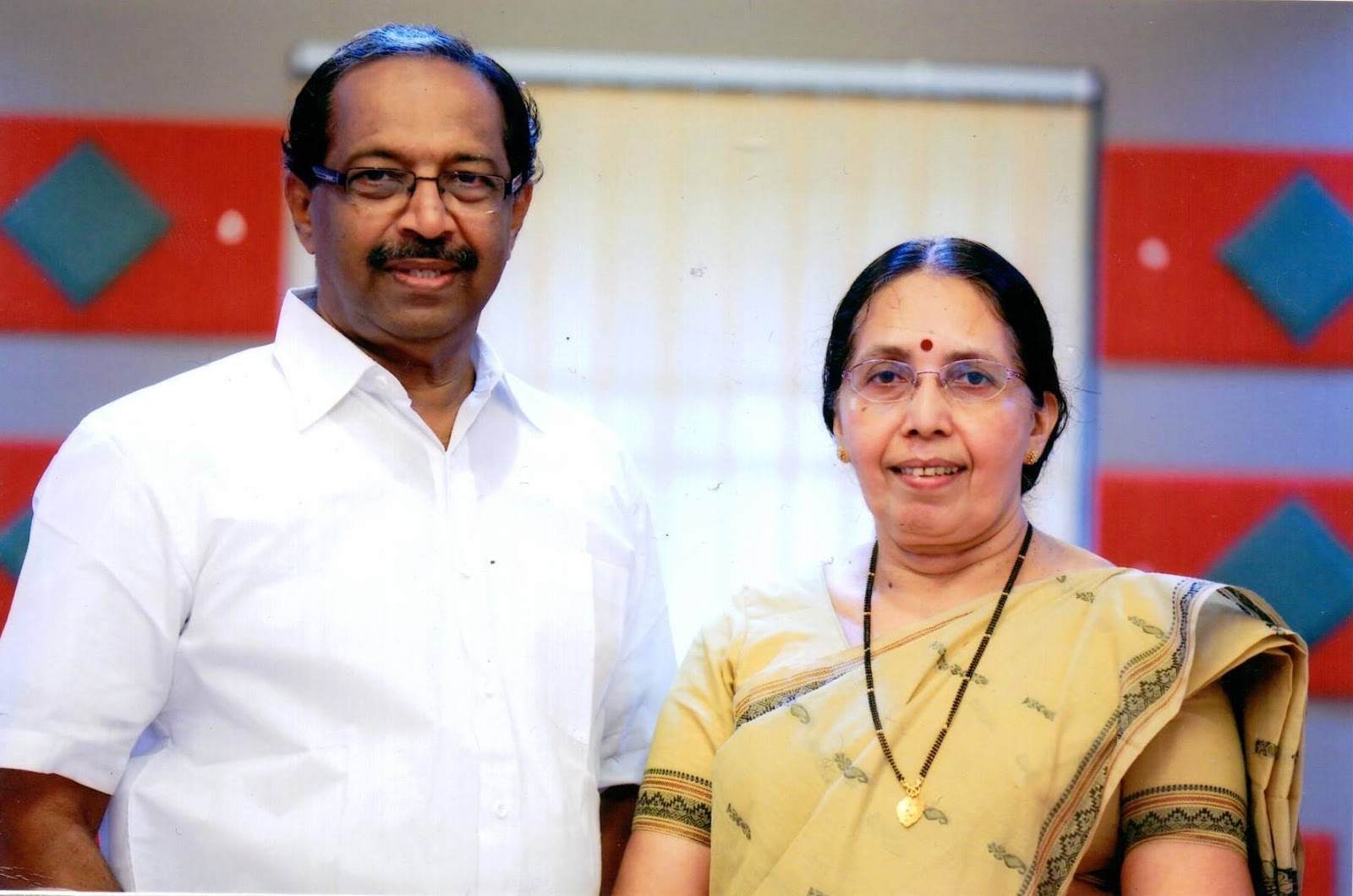
Showing posts with label Vijayarajan. Show all posts
Showing posts with label Vijayarajan. Show all posts
Monday, July 20, 2015


Sunday, February 8, 2015

Wednesday, October 23, 2013


Tuesday, February 5, 2013


Friday, October 12, 2012


Friday, September 2, 2011
"അത് ഇമിറ്റെഷനാ , പൊന്നല്ല"
കാമുകനോടൊപ്പം ഒളിച്ചോടിയ മിനിമോള്ക്ക് രേഖകള് പ്രകാരം പതിനെട്ടു വയസ്സ് തികഞ്ഞിട്ടില്ല. കോടതിയില് നിന്നും മജിസ്ട്രേട്ട് മിനിമോളെ നിയമ നടപടികള്ക്കായി ചൈല്ഡ് വെല്ഫെര് കമ്മറ്റി അംഗങ്ങളായ ഞങ്ങളുടെ അടുത്തേക്ക് അയച്ചു. അന്വേഷണത്തിനിടയില് മനസ്സിലായ വസ്തുതകള് നിയമങ്ങല്ക്കൊക്കെ അതീതമായി കൌതകകരമായിരുന്നു.
നാട്ടില് തന്നെ ഒരു ജോലിയും ഇല്ലാതെ നടക്കുന്ന ഒരു ചെറുപ്പക്കാരനുമായി അവള് പരിചയമായി. പരിചയം പ്രേമമായി മാറാന് കൂടുതല് സമയമെടുത്തില്ല . പ്രേമം പെട്ടന്നങ്ങ് മൂത്തു. അയാളുടെ മധുരമൂറുന്ന വാക്കുകള്ക്കായി അവള് ദാഹിച്ചു. അതിനായി അയാള് അവള്ക്കു ആരും അറിയാതെ ഒരു മൊബൈല് ഫോണ് സമ്മാനിച്ചു - ഒരു ജോഡി ഫോണ് . എപ്പോഴും എത്ര വേണമെങ്കിലും വിളിക്കാം , ഏതുനേരത്തും സംസാരിക്കാം. ചെലവെയില്ല!! . അച്ഛനും അമ്മയും അറിയാതെ അവര് രാവും പകലും സംസാരിച്ചു. രാത്രിയില് ഉറക്കം വരാതിരിക്കുന്ന കാര്യങ്ങളാണ് അയാള് പറഞ്ഞതധികവും. അതുകൊണ്ട് രാത്രി പുലരുവോളം അവര് സംസാരിച്ചു കൊണ്ടേയിരുന്നു. അയാള് ഒരുദിവസം അവളോട് തന്റെ കൂടെ പോരാന് ആവശ്യപ്പെട്ടു.
ഇത് കേള്ക്കേണ്ട താമസം അവള് അഞ്ചു മാസത്തെ പരിചയം മാത്രമുള്ള അയാളോടൊപ്പം പുറപ്പെട്ടു. വീട്ടില്നിന്നും അകലെ രാവണേശ്വരം എന്നിടത്തുപോയി അവിടെ അയാള് കൊണ്ടുപോയാക്കിയ ഒരു വീട്ടില് താമസിച്ചു. ഈ വീട്ടിലെ ആരെയും അവള്ക്കു അറിയില്ല.
ഇതിനിടയില് അച്ഛനും അമ്മയും മകളെ കാണാഞ്ഞ് സകല ദൈവങ്ങളോടും ഒപ്പം പോലിസിനോടും സങ്കടം പറഞ്ഞു. നാലാം ദിവസം പോലീസ് ഇവരെ അറസ്റ്റ് ചെയ്തു കോടതിയില് ഹജരക്കി. അപ്പോഴാണ് പതിനെട്ടു എന്ന കടമ്പ കടക്കാന് ഇനിയും കുറച്ചു ദിവസങ്ങള് ബാക്കിയുണ്ട് എന്ന് മനസ്സിലാക്കിയത്. എന്തായാലും അന്വേഷണത്തിനിടയില് മിനിമോള് വാവിട്ടു കരയുന്ന അമ്മയെ ചൂണ്ടി ഞങ്ങളോട് പറഞ്ഞു "ഇപ്പോള് വേണമെങ്കില് ഞാന് അമ്മയുടെ കൂടെ പോകാം. പതിനെട്ടു വയസ്സ് തികയുമ്പോള് ഞാന് വീണ്ടും എന്റെ ഭര്ത്താവിന്റെ കൂടെ പോകും. ഞങ്ങള് അമ്പലത്തില് വെച്ച് താലി കെട്ടിയിട്ടുണ്ട്". ഇതും പറഞ്ഞു അവള് ബ്ലൌസിനുള്ളില് ഒളിപ്പിച്ച ഒരു താലി ഞങ്ങളെ കാണിച്ചു. ഇത് എത്ര പവന് വരുമെന്ന് കാണിച്ചു മൊഴി രേഖപ്പെടുത്താന് തുടങ്ങിയപ്പോള് മിനിമോള് ഒരു ഭാവ മാറ്റവും കൂടാതെ പറഞ്ഞു "അത് ഇമിറ്റെഷനാ , പൊന്നല്ല". ഇത് കേട്ട നിമിഷം ഒരച്ഛന് കൂടിയായ ഞാന് ആരും കാണാതെ എന്റെ കണ്ണ് തുടച്ചു .
എത്ര ലാഘവത്തോടെയാണ് ഈ കുട്ടികള് ജീവിത പ്രശ്നങ്ങളെ സമീപിക്കുന്നത്...ആരൊക്കെയാണിതിനു കുറ്റവാളികള് ? എല്ലാം ഒരുതരം ഇമിറ്റെഷനായി അവര് കാണുന്നു . ഒരു ഇമിറ്റെഷന് താലിയില് കിടന്നാടെന്ടത് മാത്രമാണോ നമ്മുടെ മക്കളുടെ സ്വപ്നം ?
( കുറിപ്പ്: കുട്ടിയുടെ പേര് ഒഴികെ ബാക്കിയെല്ലാം വാസ്തവവുമായി ചേരുന്നതാണ്. കുട്ടിയെ തിരിച്ചറിയാതിരിക്കാന് കുട്ടിയുടെ പേരും ചില കാര്യങ്ങളും മാറ്റിയതാണ്.)
( കുറിപ്പ്: കുട്ടിയുടെ പേര് ഒഴികെ ബാക്കിയെല്ലാം വാസ്തവവുമായി ചേരുന്നതാണ്. കുട്ടിയെ തിരിച്ചറിയാതിരിക്കാന് കുട്ടിയുടെ പേരും ചില കാര്യങ്ങളും മാറ്റിയതാണ്.)
Sunday, July 24, 2011


Saturday, September 11, 2010
The Right to Information Act, 2005.
‘No man is good enough to govern another man without that other’s consent.’ Abraham Lincoln.
The Right to Information Act, 2005 is a part of fundamental rights under Article 19(1) of the Constitution, which says that every citizen has freedom of speech and expression. The people cannot express themselves unless they know what’s happening in the systems that govern them. We were governed by a very old law namely ‘Official Secrets Act’ which says that everything with the government should be confidential. This Act existed in India till the passing of the RTI Act in year 2005. “Democracy requires an informed citizenry and transparency of information which are vital to its functioning and also to contain corruption and to hold Governments and their instrumentalities accountable to the governed” says the preamble of the Act.
But it is quite unfortunate that the Government authorities are still hesitant to part with the information under their control. The officials as well as the political administrators see this progressive legislation as a spot in their eye and they are slowly trying to bring out amendments weaken the legislation. As stated in the preamble, the Act envisages a transparent governance. The Act covers not only the Executive, but the judiciary and the legislature also. It extends to all central, state and local government systems including those bodies owned, controlled or substantially financed by government and also those Non-government organizations substantially financed, directly or indirectly by funds provided by government. Information relating to any private body that can be accessed by a public authority also comes under the ambit of RTI Act, 2005. So the entire system is against the Act. The appeal case against the orders that the Act applies to Supreme Court is a matter of discussion.
Section 4(2) of the Act says that “it shall be the constant endeavor of every public authority to provide as much information suo motu to the public at regular intervals through various means of communication, including internet, so that the public shall have minimum resort to the use of this Act to obtain information“. The aim is the change of mindset from maintenance of Official Information in Secret to Maximum Voluntary disclosure of information. The public authority means all the above institutions.
The RTI Act defines “Information” as any material in any form, including records, documents, memos, e-mails, opinions, advices, press releases, circulars, orders, logbooks, contracts, reports, papers, samples, models, and data material held in any electronic form. “Right to Information” also covers Inspection of work, documents, records; taking notes, extracts, or certified copies of documents or records; and taking certified samples of material. It implies that any citizen can exercise his right to even insist that a particular civil work be performed in his presence.
Every Public Authority shall designate as many Public Information Officers (PIO) in all the administrative units or Offices under it as may be necessary to provide information to persons requesting information”. PIO is also required to help any person making the request orally to reduce the same in writing. The Act further stipulates that “every public authority shall designate an Officer at each sub-divisional or other sub-district level as Assistant Public Information Officer (APIO) to receive the applications for information or appeals under this RTI Act for forwarding the same forthwith( within five days) to the respective PIO or 1st Appellate Authority or Information Commission. The Burden of proving that PIO/APIO has acted reasonably and diligently in discharge of his functions or obligations under RTI Act will be on the respective PIO/APIOPIO may seek assistance of any other Officer as he or she considers it necessary for the proper discharge of his or her duties. Section 5(5) of RTI Act says that such Officer will be deemed as PIO for the purposes of providing the information requested. The Burden including liability for Penalty on defiance of information will stand transferred to the Deemed PIO. This particular clause indicates the joint responsibility to be kept by each Public Authority.
The Request for information has to be submitted to PIO or APIO in writing or through electronic means in English, Hindi or local language of the area with a Fee of Rs. 10/-. (There is no fee for persons Below Poverty Line). PIO can demand additional sum of Rs. 2 for each page created or copied for giving it as information to the requester or Rs. 50/- per diskette/floppy if the same is given in electronic form. Incase if Inspection of work is requested no fee is chargeable for the first hour, but Rs. 5/- each for every subsequent hours. This fee is also exempted for the persons of BPL group. Section 6(2) of RTI Act makes it clear that a person requesting information shall not be required to give any reason for requesting the information or any other personal details.
The Act mandates that the PIO shall provide the requested information as expeditiously as possible, but in no way later than 30 days. However the public authorities can take 5 days more to part with the information sought, if such request is made through APIO. But in any case where the requested information involves the question of “life or liberty”, such information should be given within 48 hours. Where the information relates to a “third party” as defined under the Act, the maximum time is forty days. However the act again says that non furnishing within the above stipulated period shall be deemed as refusal.
Though the Right to Information Act aims at complete transparency in the governmental system, it is also equally important that the strategic information pertaining to the State and any personal information devoid of larger public interest be exempted from disclosure. Accordingly Section 8 (1) of the RTI Act bars the disclosure of the following information.
a) Information, disclosure of which would prejudicially affect the sovereignty and integrity of India, the security, strategic, scientific or economic interests of the State, relation with foreign State or lead to incitement of an offense;
b) Information which has been expressly forbidden to be published by any court of law or tribunal or the disclosure of which may constitute contempt of court;
c) Information, the disclosure of which would cause a breach of privilege of Parliament or the State Legislature;
d) Information including commercial confidence, trade secrets or intellectual property, the disclosure of which would harm the competitive position of a third party, (unless larger public interest warrants the disclosure of such information);
e) Information available to a person in his fiduciary relationship, (unless the larger public interest warrants the disclosure of such information);
f) Information received in confidence from foreign Government;
g) Information, the disclosure of which would endanger the life or physical safety of any person or identify the source of information or assistance given in confidence for law enforcement or security purposes;
h) Information which would impede the process of investigation or apprehension or prosecution of offenders;
i) Cabinet papers including records of deliberations of the Council of Ministers, Secretaries and other officers. (However, after the decision is taken and the matter is complete or over, the decision, the reasons thereof and the material leading to the decision shall be made public);
j) Information which relates to personal information the disclosure of which has no relationship to any public activity or interest, or which would cause unwarranted invasion of the privacy of the individual unless larger public interest demands its disclosure
Further, Section 9 of the Act insists that any information that infringes the copyright of any person other than the State should not be disclosed.
The third party should be heard before any information pertaining him is given. He has a right to appeal against the decisions of the PIO.
This Act is very brief that it contains only thirty plus sections and two schedules. But this can be termed as the most powerful and self contained Act that the Independent India has brought out.
Even though five years have elapsed after passing the Act, we are facing a lot of challenges in the implementation. Few are narrated below for discussion and for our vigilance.
1. The real information stake holders-the deprived masses are not educated and they are more concerned in their basic fight for survival than how the benefits of RTI Act can be made to reach them.
2. Appointment of information commissioners-persons with impeccable integrity should be appointed. It is difficult for a bureaucrat who has guarded information till now to cope up with the new requirement overnight.If the appointment of the commissioner is not made properly the very spirit of the act will be defeated. In Kerala the Government appointed an active office bearer of a Ruling political party as the State Information Commission.
3. Attitude of authorities and personnel in public life has not changed.
4. The citizens are not well trained to use this powerful weapon in the proper way. No serious efforts are being taken by the governments to educate the citizens. Now there are so many unnecessary and silly applications made by ill educated. By projecting these applications, the government the legislature,judiciary and the executive are making attempts to make amendments in the Act.
It is the duty of all the responsible citizens to be vigilant against such attempts.
Wednesday, September 8, 2010
PINARAYI
My journey started from Pinarayi - a small village of Kannur district in Kerala state. When I started my journey the village was economically poor. But the people were very much politically committed and were very cooperative.( History_ The formation of communist party in kerala was taken place in Pinarayi.). During my early childhood days the following persons were the most well known personalities in the area for various reasons.
- N E Balaram (Communist leader, Writer, critic and journalist-Later he became the Minister in Kerala Govt.)
- Pandyala Gopalan Master
- T V Achuthan Nair.
- T V Govindan Master.
- N Govindan Vaidyar (popularly known as Compounder-The place 'compounder shop' is after his name.)
- Cherayi Anandan
- Nehru Shankaran Master
- Munshi Shakaran Master.
- Kootterichi Govindan Master.
There were two very senior retired officers. They were called one as "Collector" (He was a Rtd.Deputy Collector of that time) and the other as "Thukdi" (he was a retired R D O of that time. There was a bus stop in between Pinarayi and Mambarm as "Thukdi gate" after his name.) Their names were Kelu Nair and 'Rao Bahadoor' Kunhiraman Nair respectively.
There was an School Inspector from this place namely Govindan Nair, but he was later settled in Kadiroor. My father was a retired M S P Officer. There were only two popular persons from MSP in the area. One was my father, P C Kannan Nair and the other was one Kunhiraman who conducted a shop at olayambalam as MSP shop.
The economy of this village was depending upon agriculture, beedi making and handloom weaving. Manglore Ganesh Beedi Company was the major player in Beedi industry. Sadhoo Beedi and Wadhyar Beedi was also there. Later due to the implementation of Beedi and Cigar Act, by the Govt. the Mangalore Ganesh Beedi closed down their units overnight and the workers were left jobless. The formation of Kerala Dinesh Beedi under the sponsorship of the Government of Kerala are all the part of the history of Kerala economy. Toddy tapping for making jaggery and fishing was also the vocation of few. The fish found in this area was famous during that time.
Kizhakkumbhagam L P School was my starting point. Chadukutty Master was my first coach. The other coaches in the school were V Ramunni Master, V Kunhiraman master, N Achuthan Master, Kannan Master (elder brother of Chandu kutty master) and Balan Master. The coaches were very sincere efficient and effective. The school had the privilege of campus recruitment at that period. The students were taken by the beedi manufacturers and handloom weavers for job. Boys for beedi and girls for handloom. There was no social stigma for this during that period. Everybody promoted this also. Among the students in my class only two including me went for high school and college studies. This figure will give a picture of the the economic and social structure of the area on those days.
There were a lot of small "KAVU" in this area and Theyyam were performed in all the Kavus. In my child hood days I remember that there will be at least one fight between two rival groups in all Kavus on the day of Theyyam. Some people were keeping ready to fight on those days. But there were no political fight on those days. These fight were based upon some personal issues. Kannachankandi, Mutteryveedu, and Kaitheryputhiyedath were the important Kavus in the area.
Next phase of my journey was through the R C Amala Basic U P School, Pinarayi. Sri. T V Narayanan Master, (Popularly known as Nanu Master, Brother of T V Achuthan Nair) V Madhavi Teacher (Wife of Nehru Shankaran Master), T V Govindan Nair, T Raman Master, N Balan Master, Mukundan Master, T Mukundan (Drawing ) Andy Master were my coaches there. Phalgunan Master (Ball bat star), Raghavan Master, Janaki teacher, and Narayanan Master were in lower primary section . We had a craft teacher - Krishnam Master - Handloom weaving was the only craft work taught there. In this School I had very good experiences in my journey. I made my first speech during this period. I represented the school and participated in an elocution competition. I have shared the prize with U P Jayarajan the famous writer.
The training got from this great institution is ever remembering in my life!
The training got from this great institution is ever remembering in my life!
I enjoyed a lot of love and affection from this small village.!!
I OWE a lot to the starting point!!!
Subscribe to:
Posts (Atom)

Apoornam Ee Yaatra by Vijayarajan PC is licensed under a Creative Commons Attribution-NonCommercial-ShareAlike 3.0 Unported License.
Permissions beyond the scope of this license may be available at http://vijayarajpc.blogspot.com/.